
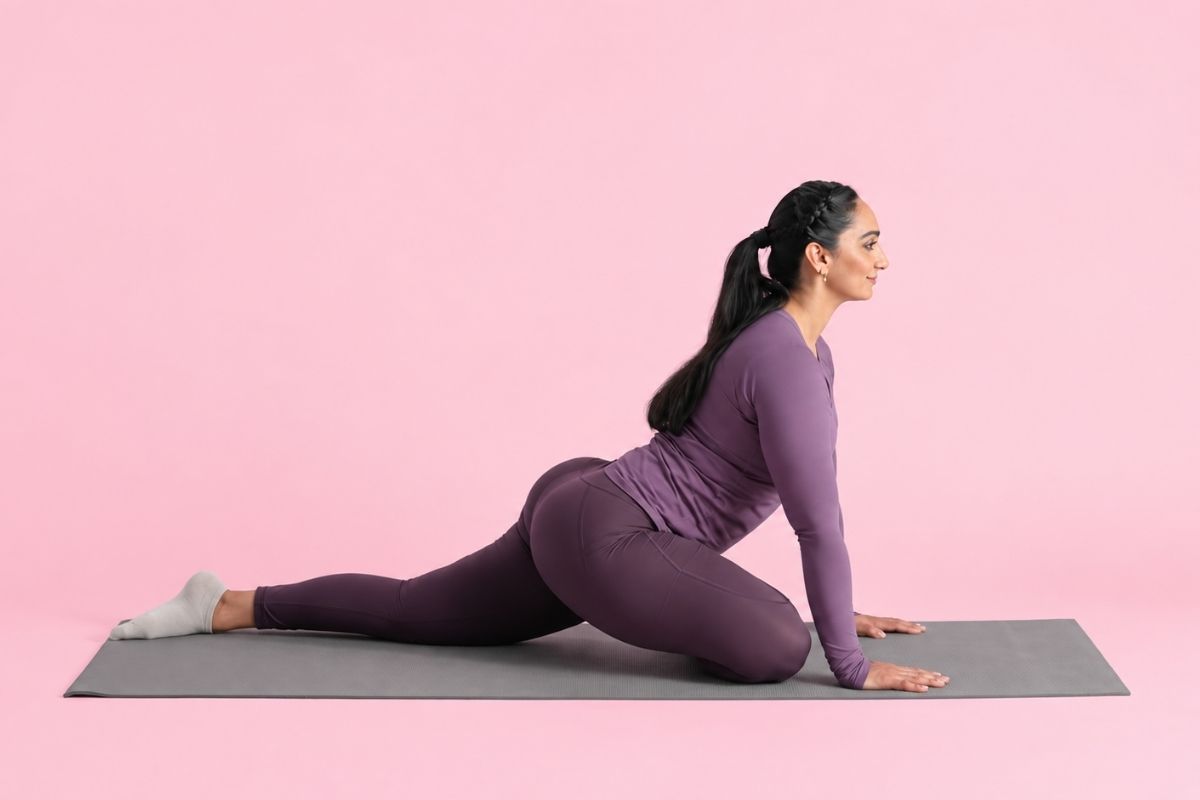
Until recently, we accepted the explanation I had heard repeatedly in yoga spaces and was taught in tradition.
Stress and difficult emotions collect around the hips, and certain poses help release them.
Emotional reactions during yoga can absolutely be real, but saying that an emotion was physically stored inside a hip muscle is a much bigger claim.
Why We Used to Believe the Hips Hold Emotion
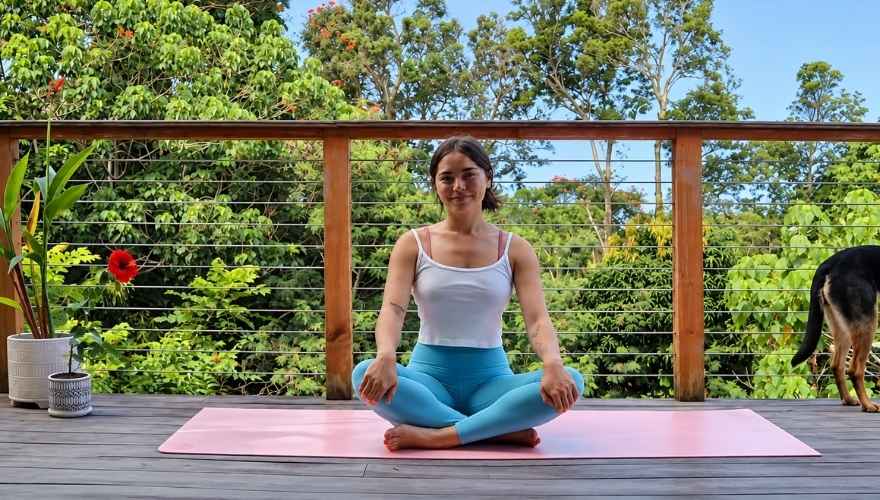
Spend enough time teaching yoga, and you will eventually see an emotional reaction during a pose.
Pigeon is probably the example teachers mention most often, but I have seen similar reactions during frog, lizard, and other positions that place the hips under sustained stretch.
Some students cry. Some become uncomfortable in a way that does not seem purely muscular.
Others remember something unexpectedly or notice emotions they were not thinking about five minutes earlier. Yoga culture has talked about experiences like these for years. Traditional explanations often connect the pelvis with emotional energy.
More modern explanations tend to talk about trauma, the nervous system, the psoas, fascia, or muscular tension.
Tantric yoga traditions developed chakra systems in which bodily regions were linked with psychological qualities and mental states. Svadhisthana, usually placed around the lower pelvic or genital region, became particularly associated with desire, sexuality, and emotional experience.
That history helps explain why modern yoga teachers often talk about the hips in emotional terms.
Still, a traditional symbolic association is not evidence that emotional memories are physically stored inside hip tissue. Yet two events happening together do not automatically explain the mechanism connecting them.
If emotion is physically stored in hip tissue, what exactly is being stored, where is it being stored, and how would stretching that tissue release it?
What Does Science Actually Say?
Sympathetic nervous-system activity prepares the body for action. Heart rate may increase, breathing may change, and muscular contraction can increase.
Someone living with repeated stress may also develop patterns of bracing or guarding that influence how movement feels.
Interoception May Explain Part of the Experience
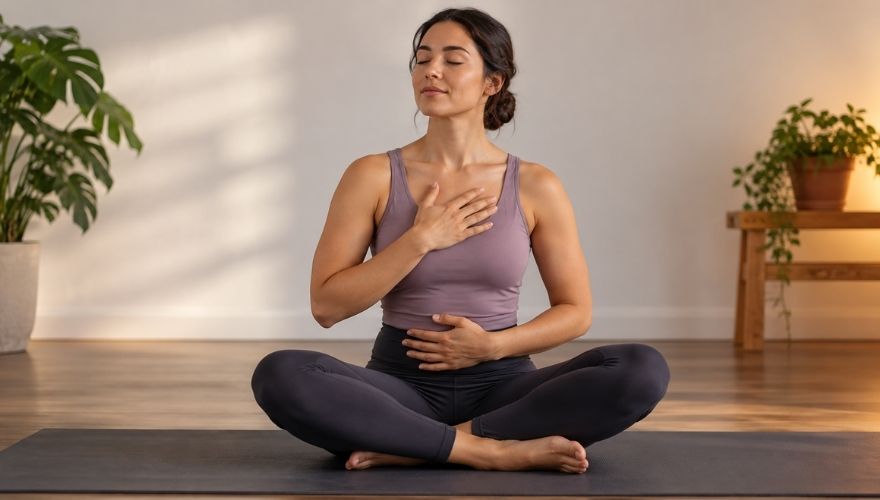
Interoception refers to how your brain senses and interprets signals inside your body.
Heartbeat, breathing, tension, temperature, discomfort, and other internal sensations all contribute to that process.
Trauma and prolonged stress can affect how strongly some people notice those signals and how they interpret them.
A sensation that feels neutral to one person may feel threatening or emotionally loaded to someone else.
Such changes happen through interactions involving the brain, nervous system, perception, memory, and body.
Recently, we’ve read a review that screened 226 papers and included 43 studies examining interoception and PTSD.
Research in that group repeatedly pointed toward changes in brain systems involved in detecting, interpreting, and regulating internal sensations.
For me, that distinction matters. A hip position can trigger a strong bodily sensation that carries emotional meaning, but that is different from saying the hip itself was storing the emotion.
Emotional Memory Points Back to the Brain
A 2023 study recorded brain activity in 148 people using intracranial electrodes. Successful emotional-memory encoding came with increased high-frequency activity in the hippocampus and amygdala, and emotional arousal was strongly associated with recall.
Researchers even disrupted emotional-memory performance by electrically stimulating relevant circuitry in a smaller group.
None of that means your hips cannot feel different during an emotional experience. It means current evidence puts memory processing in neural circuitry, not inside hip tissue.
Tight Hips Have Plenty of Physical Explanations
Prolonged sitting has been associated with reduced hip extension. Anatomy matters too. Training history, previous injuries, muscle tone, strength, daily movement habits, and joint structure can all influence how much range you have and how a pose feels.
If your hips feel tight, pay attention to that sensation. Just do not assume the sensation tells you why they feel tight.
Stress may be part of the picture, but sitting, training, anatomy, injury history, or several factors together may explain just as much.
What People Mean When They Say the Hips “Store” Emotion
No single medical theory sits behind the phrase.
Several ideas have gradually been grouped together:
- Yoga traditions associate the pelvic area with the root and sacral chakras.
- Somatic approaches pay close attention to physical sensations during emotional experiences.
- Trauma-focused body work looks at breathing, muscular tension, posture, movement, and nervous-system responses.
Psoas discussions have added another layer. Since this muscle participates in hip flexion and can change its activity during protective movement, it is sometimes described as closely connected with stress.
None of that means a stressful memory gets deposited inside the psoas.
Muscles can certainly tighten when you are stressed. Breathing can change. Movement can become guarded. Pain sensitivity can change too. Repeated stress may influence how someone moves and how much tension they carry.
Those are physical effects of stress, not proof of emotional storage inside one specific joint.
We now treat “holding emotion in the hips” more like a metaphor. For some people, that phrase describes their experience well.
Why Hip Openers Can Still Feel Emotional
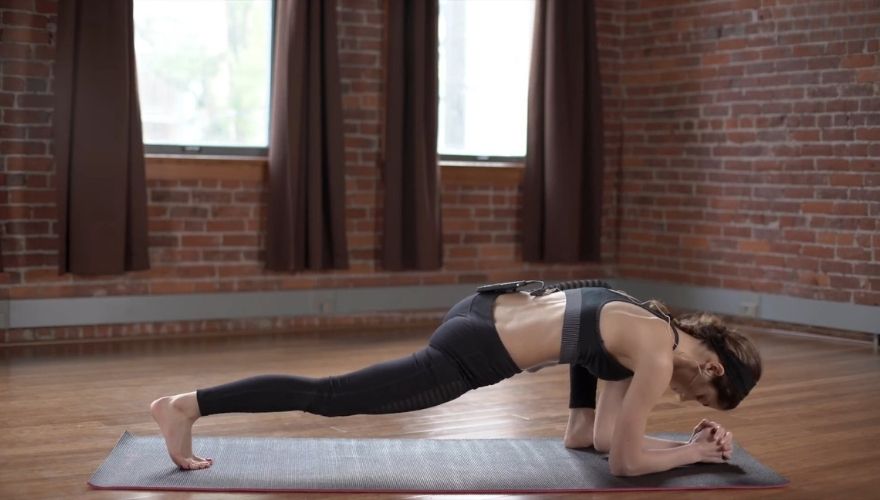
First, “hip opener” is a loose yoga term. Pigeon, frog, lizard, and garland do not all challenge the hip in the same way.
Depending on the pose, you may be working with hip flexion, extension, abduction, external rotation, or several motions at once.
Many adults rarely spend much time in those ranges during everyday life. Put someone into an unfamiliar position, ask them to stay there quietly, reduce outside distractions, and have them pay attention to breathing and sensation.
Quite a lot can happen without requiring a hidden pocket of emotion inside the tissue. Longer holds can increase awareness of sensations that normally get ignored.
Slower breathing may change arousal. Muscular guarding may decrease. Attention may shift inward. Hip openers are not the only yoga positions that can bring up emotion.
People see some people becoming unexpectedly emotional in Savasana, where there is very little muscular demand and no intense hip stretch involved.
Bodies and positions become associated with experiences. A certain sensation, posture, smell, sound, or breathing pattern may remind someone of an earlier event.
Memory does not need to live inside the hip for a hip position to become part of that association.
Tell a class repeatedly that pigeon releases trauma and students may start scanning for emotional reactions as soon as they enter pigeon.
A sensation that might otherwise register as simple discomfort can suddenly carry more meaning.
Still, that does not mean someone is imagining the experience.
How Instructors Generally Teach Hip Openers
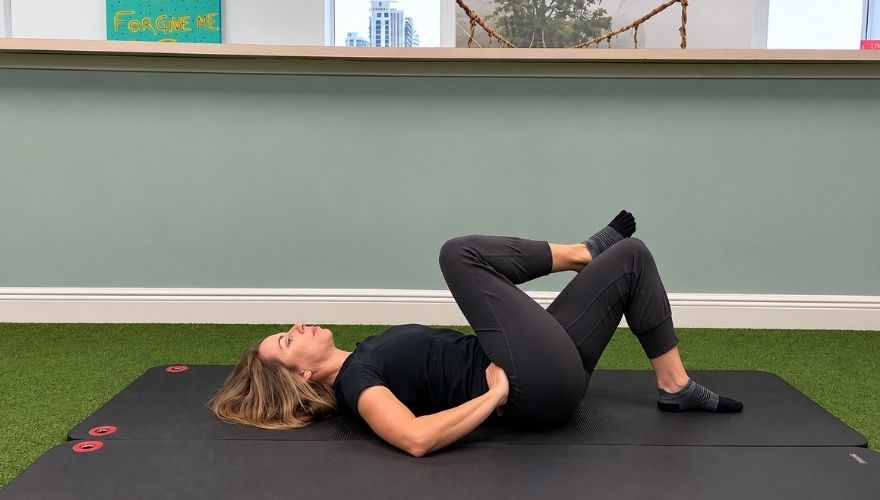
Cueing has changed over the years. Most teachers no longer tell someone that they are storing trauma in their hips.
Nowadays, they focus on what we can actually observe:
- Can you breathe comfortably?
- Can you control the position?
- Are you feeling muscular stretch, joint pressure, pinching, numbness, or something harder to describe?
- Does reducing the range make the pose feel more manageable?
Those questions give a student something useful to work with. Language matters here because teachers can unintentionally create pressure.
Tell someone that a difficult emotion is trapped in their hips, and they may start believing discomfort is evidence that something unresolved needs to come out.
Some students will then push farther because they think intensity equals progress. It does not.
If moving farther changes a manageable stretch into sharp pain, pinching, numbness, panic, or a feeling of being overwhelmed, adding more range is not helping the pose.
You are simply adding more stress to an experience that is already difficult. We would rather have someone reduce the range, adjust the position, or leave the pose entirely.
The same rule applies to emotional intensity. You do not need to stay in a position just because you started crying.
You also do not need to force yourself out immediately if you feel safe, comfortable, and want to stay.
Pay attention to what is actually happening instead of trying to create the reaction you were told you should have.